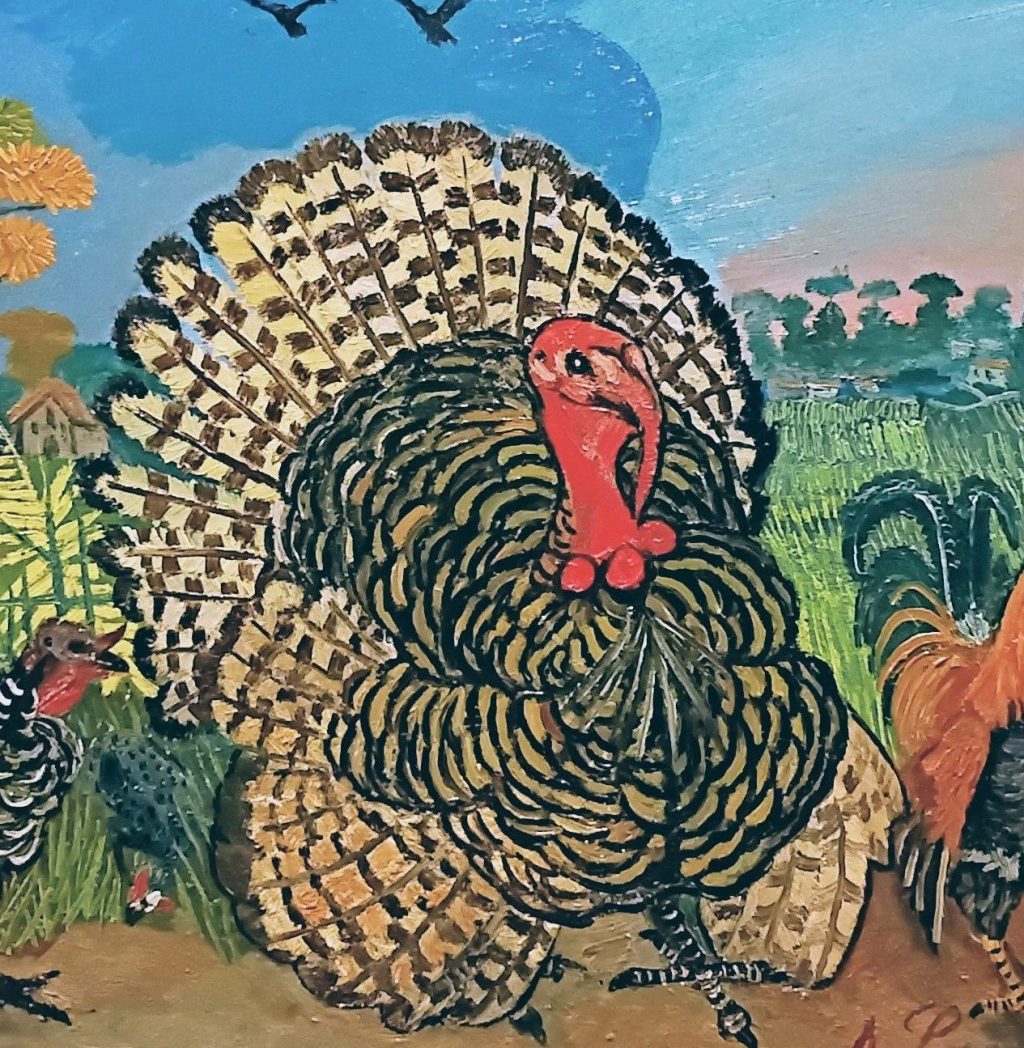
When we move abroad, we often fall in love with the “storybook” version of our new home. We embrace the local coffee rituals, the festive markets, and—perhaps most famously in the U.S.—the long-awaited “Turkey Day.” We see it as a beautiful symbol of gratitude and family reunion.
But part of the expat journey—and a key to Expat Resilience—is moving beyond the postcard. As we settle in, we start to uncover the layers of history that the locals themselves often debate. For me, Thanksgiving has become a focal point for this Dual Identity: it is a day of warmth and togetherness, but it is also a day deeply marked by a history of loss. Can we hold both of these truths at once?
The Tradition We Know
For many Americans, Thanksgiving falls every year on the fourth Thursday of November. Tradition dictates that it be celebrated with family, with relatives traveling vast distances just to spend a few hours together. For some, this tradition is even more deeply felt than Christmas, as it feels less about consumerism and more about the simple act of returning home.
Because it is often one of the few times a year families reunite, the arguments that break out over the dinner table are proverbial—especially in recent years as differing political opinions clash over the cranberry sauce.
The Legend vs. The Reality
Legend has it that Thanksgiving began in 1621, when European pilgrims shared a meal with the Wampanoag natives in Plymouth, Massachusetts, after a generous harvest. This “little story” fuels a narrative of America’s founding based on goodwill and cooperation.
However, this narrative does slightly less justice to the millions of Native Americans who were displaced or killed by colonization and disease. While the holiday was celebrated sporadically for centuries, it was Abraham Lincoln who proclaimed it a national holiday in 1863.
A Note on History: While Lincoln’s primary goal was to foster national unity during the height of the Civil War, this same era was marked by immense tragedy for native populations. In 1862, just a year before the proclamation, the U.S. government oversaw the execution of 38 Dakota men in Minnesota—the largest mass execution in U.S. history.
The National Day of Mourning
It should come as no surprise that for many Native Americans, this is not a day of celebration. Since 1970, many have observed a counter-holiday on the same day: the National Day of Mourning. It is a time to remember the genocide, the dispossession of lands, and the annihilation of indigenous ways of life. It serves as a powerful protest against the ongoing oppression native people suffer today.
The Expat Perspective: Living in the Gray
As expats, we are in a unique position. we are observers of a culture while simultaneously trying to participate in it.
Becoming a “local” doesn’t mean ignoring a country’s scars; it means understanding them. This Thanksgiving, perhaps we can practice a different kind of gratitude—one that is thankful for the community we’ve found in our new home, while remaining curious and respectful of the complex history that paved the way for the present.
How do you navigate the ‘gray areas’ of your adoptive culture? Can you enjoy a celebration while still holding space for its complex history? Share your thoughts in the comments.
Hi! I’m Cristina. As a European woman living in Colorado, I get the struggle of building a meaningful life abroad. I help expat women finding a sense of belonging wherever they are. If you’re curious to learn how I could be of service to you, book a free call clicking the button below.
 New Moon Coaching for Expat Women
Leave a comment