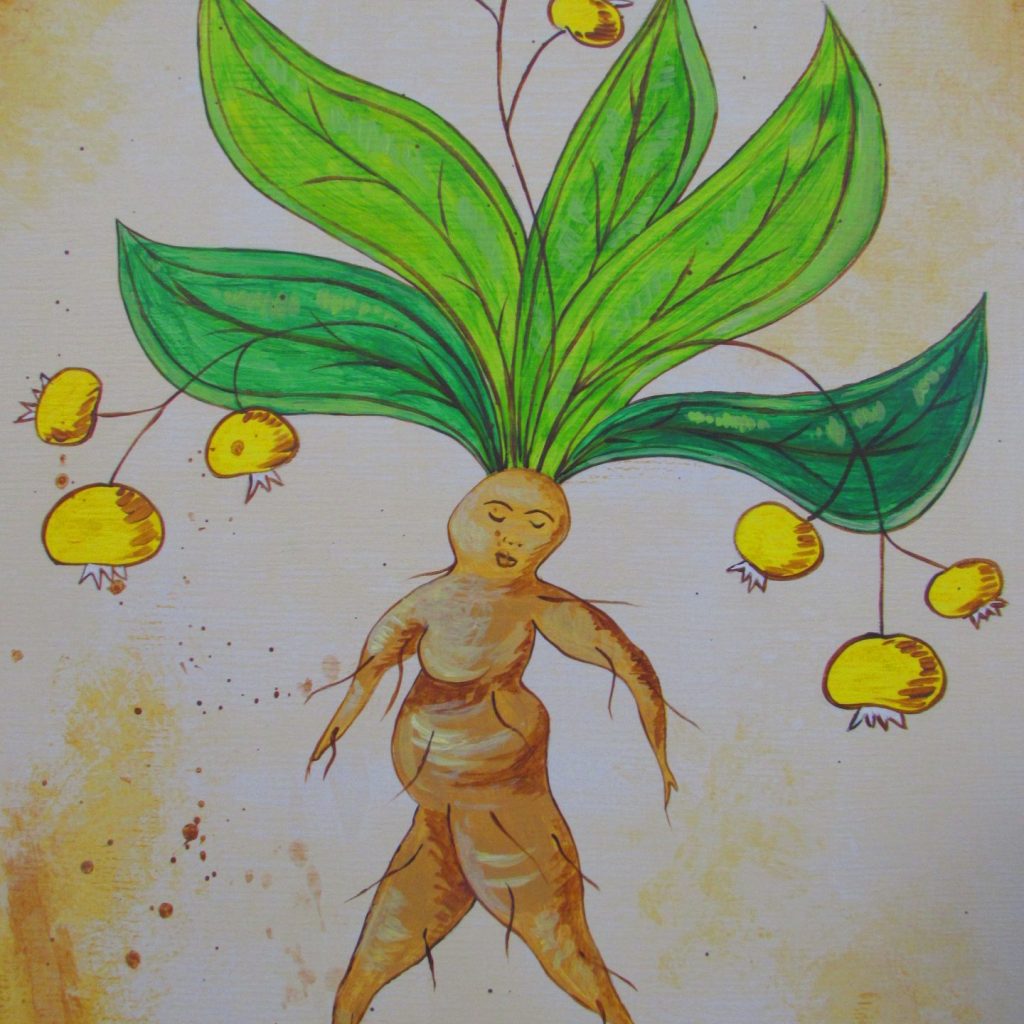
Yesterday, I joined a nature walk led by a local botanist. He opened the session with a provocative question for the two dozen of us present: What is the distinction between native and non-native plants, and do we think that the ‘outsiders’ are good, bad, or are we simply indifferent to them? He asked us to physically divide ourselves into three lines based on our beliefs.
As I stood there—the only one in the group with an accent—I couldn’t help but feel like the human equivalent of the non-native plant. It was a vivid reminder that both plants and people have moved across this planet for millennia. Whether botanical or human, relocation is a complex journey of uprooting and adapting, eventually finding a way to belong in a landscape that wasn’t originally designed for us.
One thing that i noticed is that many of the participants used the word ‘invasive’ referring to non-native plants as if they were synonyms. It is a common and understandable linguistic shortcut, but in the world of ecology—and in the context of our expat metaphor—it’s a distinction that carries significant weight.
When people use ‘non-native’ and ‘invasive’ as synonyms, they are often operating from a place of protective bias. They see the value in the local heritage and perceive anything new as a threat to that balance.
The label ‘invasive’ suggests that if you weren’t born in a place, you are automatically a colonizer or a disruptor.
It ignores ecological function: Many non-native plants fill gaps in damaged ecosystems where native plants can no longer survive. Labeling them all invasive dismisses the resilience they show in thriving where others cannot.
The Survival of the Most Adaptable
When an individual or a family move across countries, they face the same immediate challenges as a non-native plant introduced to a new soil: the environment does not automatically cater to their needs. To thrive, expats must be remarkably resilient. Like plants, we learn to stretch our roots differently and adjust our bloom cycle to a new sun. Our lives are a testament to our adaptability and flexibility.
Bloom where you are
The most profound similarity is the effort required to bloom. A native plant blooms because it is at home. A non-native plant blooms because it has fought to make itself at home.
When you see a non-native flower thriving in a local park, you are seeing a success story of integration. It reminds us that belonging isn’t just about where you started—it’s about the relationships you build with the soil, the sun, and the neighbors you find along the way.
Whether you are a native or an expat in your current city, take a moment to look at the greenery around you. You’ll find that the most vibrant landscapes are rarely a monoculture; they are a tapestry of those who have always been there and those who traveled a long way to join them.
Have you ever felt that people saw your ‘accent’ or your ‘non-native’ status as an inherent threat, rather than seeing the unique beauty or shade you were trying to provide? How did you navigate that misconception? How do you remind yourself that your presence is a contribution, not a disruption? Share your story in the comment section.
Hi! I’m Cristina. As a European woman living in Colorado, I get the struggle of building a meaningful life abroad. I help expat women finding a sense of belonging wherever they are. If you’re curious to learn how I could be of service to you, book a free call clicking the button below.
 New Moon Coaching for Expat Women
Leave a comment