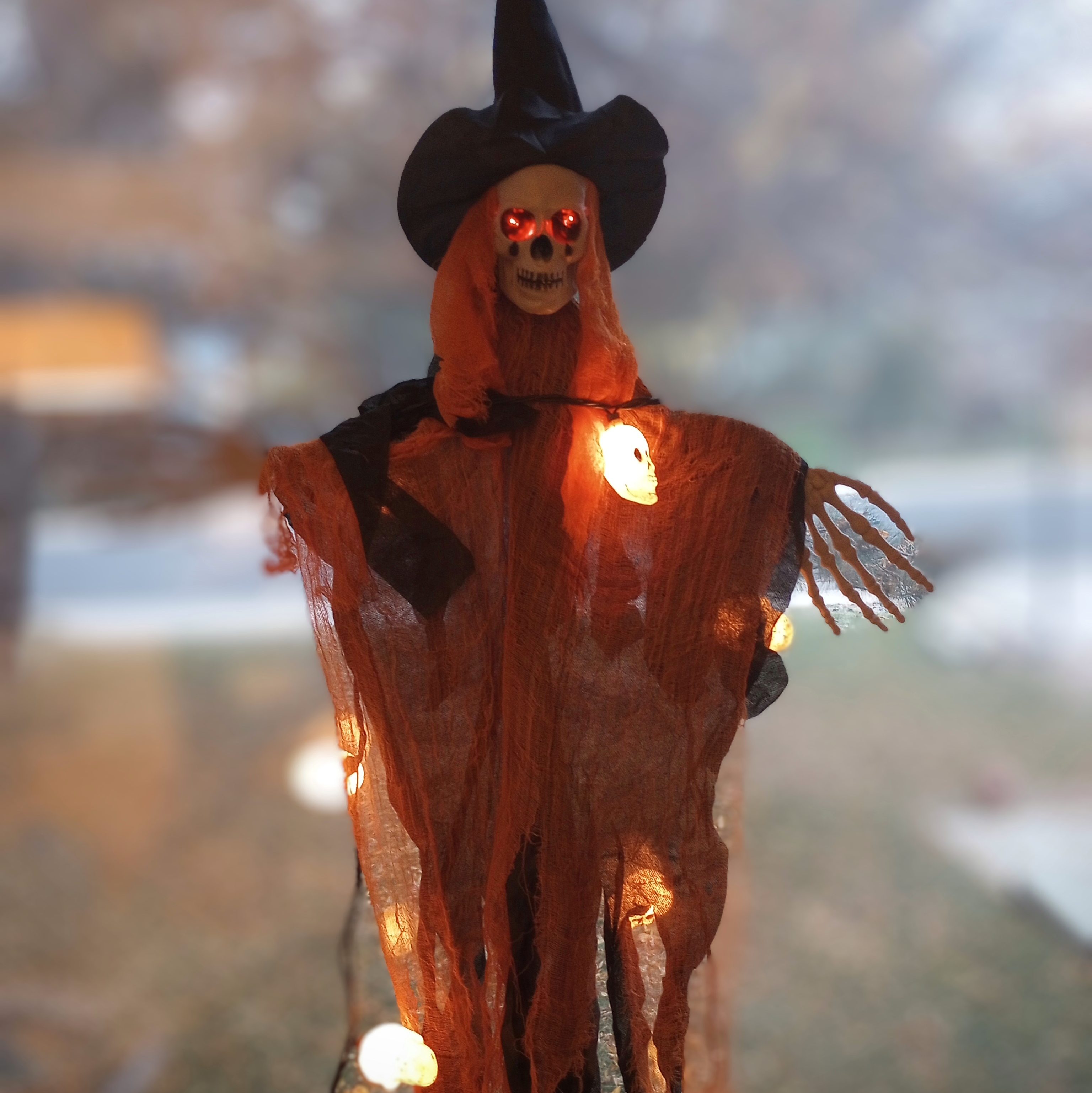
Halloween is coming up, and American life is completely transformed by it. Houses are draped in skeletons and glowing jack-o’-lanterns, costumes are bought and swapped, and parents and children carefully coordinate their neighborhood trick-or-treating routes. Step into any store, and you’ll find shelves brimming with Halloween-themed merchandise—from candy to hand towels, cozy sweaters to festive kitchen gadgets.
As someone who didn’t grow up in a country that celebrated Halloween, I am endlessly amazed and delighted by how it permeates every single aspect of American household life. When I first moved to the U.S., I did what anyone facing the unfamiliar does: I researched. I read about the ancient Celtic roots, the turning of the seasons, the thinning of the veil between worlds, and how these traditions intertwine with the more familiar observances of All Saints’ Day (November 1st) and the Day of the Dead (November 2nd).
But this year, I find myself reflecting on something else—that special, distinctive quality of this holiday. Beneath the candy and the costumes lies its true trademark feeling: the explicit, joyful search for provoking and experiencing fear.

What the Science of Fear Tells Us
Why do we willingly step into haunted houses, watch slasher films, and surround ourselves with ghouls? Psychological research—such as studies exploring why we are drawn to the macabre—sheds fascinating light on this unique impulse.
According to researchers, engaging with Halloween and scary stimuli taps directly into the brain’s amygdala, which processes potential threats. In a safe, controlled environment—like a haunted trail or a movie theater—this triggers a natural fight-or-flight response that many people experience as a thrilling, novel rush of adrenaline rather than actual danger.
Furthermore, psychological research highlights a few key reasons why we love to be scared:
- Controlled Mastery: Facing manageable, simulated fear helps build emotional resilience. It reminds us that feeling frightened is a normal, healthy human response, and surviving it provides a powerful sense of mastery.
- Social Bonding: Shared scary experiences—whether shrieking on a roller coaster or watching a horror film through your fingers—forge deep social connections. Fear brings us closer together.
- Emotional Release: In our neatly ordered daily lives, a safe brush with the dark and unknown offers a much-needed outlet for intense, uncurbed emotions.

What Am I Scared Of?
As a former passionate fan of horror movies—I vividly remember begging my dad to take me to the movie theater in my tween years to see a terrifying new Wes Craven film—the plastic skeletons and fog machines don’t easily rattle me. The manufactured scares of Halloween are fun, predictable, and contained.
So, what really scares me?
If you’re an expat woman, and possibly a mother, a daughter, or a wife, chances are that we share some of our fears. Because the things that truly terrify us are never the monsters with glowing eyes or the ghosts hanging from front porches. Real fear doesn’t wear a mask; it lives in the quiet uncertainties of change, in the vulnerability of loving deeply, in the pain of witnessing political turmoil both in our home country and in our host country.

What about you? When the plastic ghosts are packed away, what are the things that genuinely make your heart skip a beat? There is something quietly therapeutic about Halloween—the way it gives us permission to safely play with our dread, laugh at our monsters, and experience a collective release from our worries. Perhaps we could all use a little more of that honest courage: stepping right up to what scares us, naming it, and gently remembering our own resilience on the other side. Let’s talk about it in the comments below.
Hi, I’m Cristina. As a European woman living in Colorado, I know firsthand what it takes to build a purposeful, fulfilling life abroad. I specialize in helping expat women navigate the transition and create a deep sense of belonging, wherever home happens to be. If you are ready to thrive starting today, click the button below to book your free call.
Join the List
Do you want to read more content like this? Sign up to receive weekly tips on resilience, building community and relocation success.
Leave a Reply